


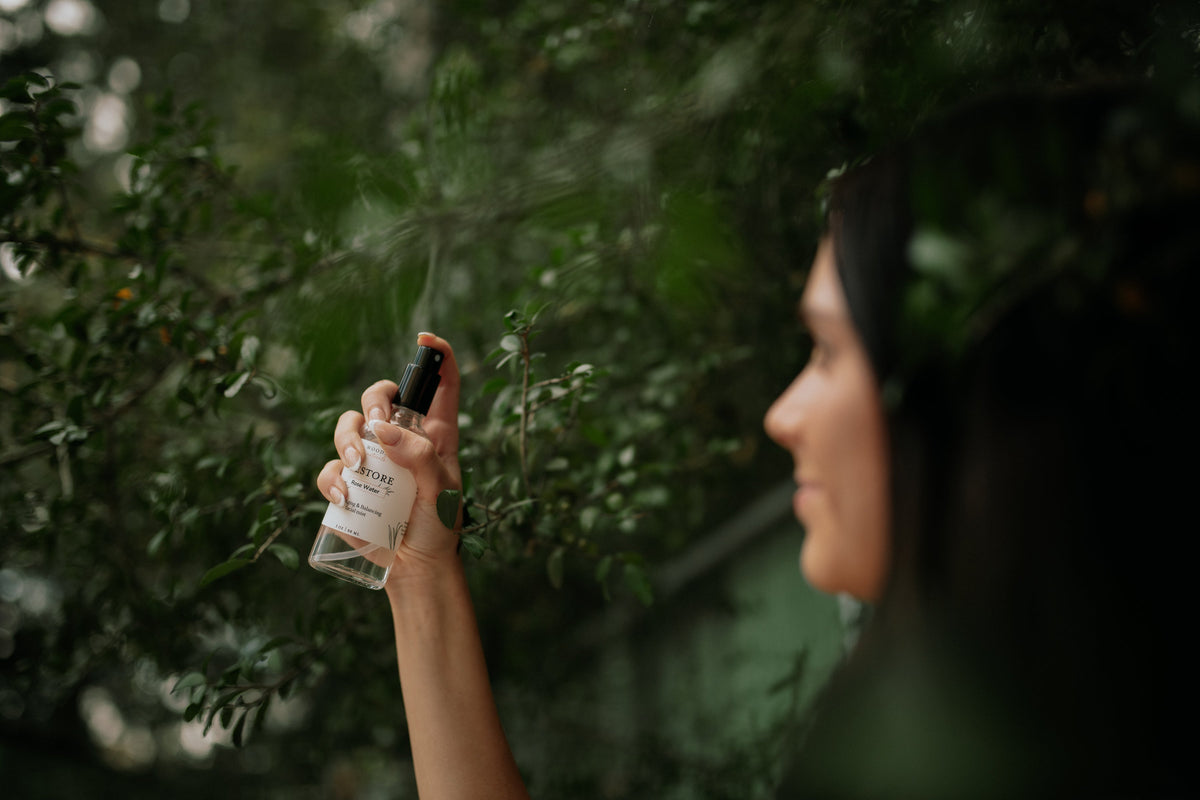


A single candle on the kitchen counter no longer carries the whole mood of a home. The way people scent their spaces is becoming more thoughtful, more layered, and more personal. Home fragrance trends 2026 point toward a fuller sensory lifestyle - one where a signature scent moves from the entryway to the laundry room, from evening baths to freshly made beds.
That shift matters because fragrance is no longer treated as a finishing touch. For many homes, it is part of the design language. It shapes how a room feels, how a season is remembered, and how daily routines soften into ritual. In 2026, the most compelling trends are less about novelty for its own sake and more about lived-in beauty, cleaner standards, and scent choices that feel intimate instead of loud.
Home fragrance trends 2026 are becoming more personal
The strongest movement ahead is personalization. People still enjoy seasonal scents and familiar favorites, but they are also looking for something that feels like theirs. Not just a nice candle, but a home identity. That means fragrance buyers are paying closer attention to scent families, throw strength, and how one product format interacts with another.
A signature home scent is becoming the fragrance equivalent of a well-styled room. It does not need to be complicated. Often, it is built around two or three notes that carry through multiple spaces - soft woods, warm amber, fresh linen, creamy vanilla, green fig, citrus peel, or sheer florals. The effect is subtle cohesion. Guests may not name the exact fragrance, but they will remember the home.
This does not mean every room should smell the same. The better approach is coordinated variation. A reed diffuser in a clean botanical scent may suit the entryway, while a richer candle belongs in the living room and a linen spray brings lightness to the bedroom. The common thread is mood. In 2026, homes will smell curated rather than matched.
Quiet luxury is replacing sugary excess
For years, parts of the fragrance market leaned heavily into dessert notes and very sweet blends. Those scents still have an audience, especially in colder months, but the broader aesthetic is shifting. Quiet luxury is shaping home fragrance in the same way it has influenced fashion and interiors. The goal is refinement, not overload.
That looks like smoother compositions with more texture and restraint. Think cashmere woods instead of candy sweetness. Think bergamot and black tea instead of one-note fruit. Think soft lavender wrapped in cedar, or vanilla grounded by smoke, amber, or sandalwood. These combinations feel polished and adult, but still welcoming.
There is a trade-off here. Softer luxury scents can be less immediately dramatic than bold gourmand blends. Some people want a room-filling statement the moment a candle is lit. Others prefer a slower, closer fragrance experience that unfolds over time. Neither instinct is wrong. The trend simply suggests that sophistication is increasingly winning over intensity.
Cleaner formulations are becoming a baseline expectation
In 2026, product standards will matter even more than packaging language. Shoppers are reading labels, asking better questions, and choosing brands that treat ingredient transparency as part of luxury. Clean fragrance is no longer a niche preference. It is becoming part of the value conversation.
That does not mean every customer expects a chemistry lesson. It means they want reassurance that the products they bring into their homes align with how they live. Phthalate-free formulas, cruelty-free practices, and thoughtful ingredient standards are moving from bonus features to baseline expectations, especially for households that burn candles often or use multiple scent products throughout the week.
This is where craftsmanship matters. A beautifully designed scent loses its appeal if the formulation feels careless. Premium buyers increasingly want both - a refined fragrance experience and peace of mind. For a brand like Woodsy Home Life, that pairing feels especially relevant because clean standards are part of what makes daily rituals feel elevated rather than compromised.
Layering across formats will keep growing
One of the most interesting shifts in home fragrance trends 2026 is the move away from single-product shopping. People are not only buying a candle and stopping there. They are building scent rituals across formats depending on room, time of day, and purpose.
A candle still anchors ambiance, but it is now part of a larger rhythm. A hanging diffuser may freshen a small space quietly. A room and linen spray can reset a bedroom in seconds. Reed diffusers offer consistent background fragrance without flame. Laundry fragrance adds a final note to towels, sheets, and clothing, making the scent experience feel complete.
This layered approach works because each format does a different job. The key is balance. If every item in the home competes with a strong fragrance, the effect can feel crowded. The most elegant homes use stronger moments and softer supporting notes. A living room candle can carry warmth and presence, while nearby textiles hold onto a gentler complementary scent.
Scent is moving deeper into everyday rituals
Home fragrance is expanding beyond decor and into the routines people care about most. This trend is especially strong among shoppers who see the home as a place of restoration, not just function. Scented bath salts, shower steamers, hand soap, and laundry products are all becoming part of a more intentional lifestyle.
What is changing is the emotional role these products play. They are less about indulgence in the flashy sense and more about creating moments that feel cared for. The five-minute evening reset. The guest-ready powder room. The scent of freshly washed linens on a Sunday afternoon. These are small acts, but they shape how a home holds the people inside it.
That makes fragrance a daily companion rather than an occasional treat. In 2026, the homes that feel most luxurious will not always be the most expensive. They will be the ones where ordinary routines have been softened by beauty.
Nature-inspired notes are staying, but with more depth
Fresh air, forest, rain, herbs, citrus, and coastal notes are not going away. People still want fragrance that brings the outside in. What is evolving is how those notes are interpreted. The trend is moving away from overly literal versions of nature and toward more layered, atmospheric blends.
A pine scent may be touched with amber and spice. A floral may be cut with green stems and soft musk. Even linen profiles are becoming more nuanced, less detergent-sharp and more airy, clean, and skin-close. This added depth makes fragrances feel more sophisticated and easier to live with throughout the year.
Seasonality still matters, of course. Autumn will always invite richer woods and spice, while spring leans brighter and greener. But buyers are increasingly choosing transitional scents that move well between seasons. That flexibility matters when people want fewer, better fragrance staples instead of a crowded cabinet of short-lived trends.
Design matters as much as scent
A home fragrance product now has two jobs. It needs to smell beautiful, and it needs to belong in the room. Vessels, labels, glass, and overall styling carry more weight than ever because shoppers want products that contribute to the visual calm of a space.
This is part of the reason minimal, warm, textural packaging continues to resonate. A candle on a nightstand or a diffuser on a console table becomes part of the home story. When design is thoughtful, fragrance products feel less like clutter and more like decor with purpose.
Still, aesthetic alone is not enough. Consumers are getting better at spotting products that photograph well but disappoint in performance. In 2026, the winning brands will be the ones that pair visual polish with scent integrity, clean burn quality, and formulas that feel worthy of repeat purchase.
The future feels slower, softer, and more intentional
Not every trend deserves to be followed. Some will fade as quickly as they arrive. But the larger direction of home fragrance feels clear. People want scent that supports the life they are building at home - warmer, calmer, more beautiful, and more distinctly their own.
If you are refreshing your space in the year ahead, pay less attention to what is loudest and more attention to what lingers in a meaningful way. The best fragrance choices for 2026 will not just make a room smell good. They will make home feel more like home.